
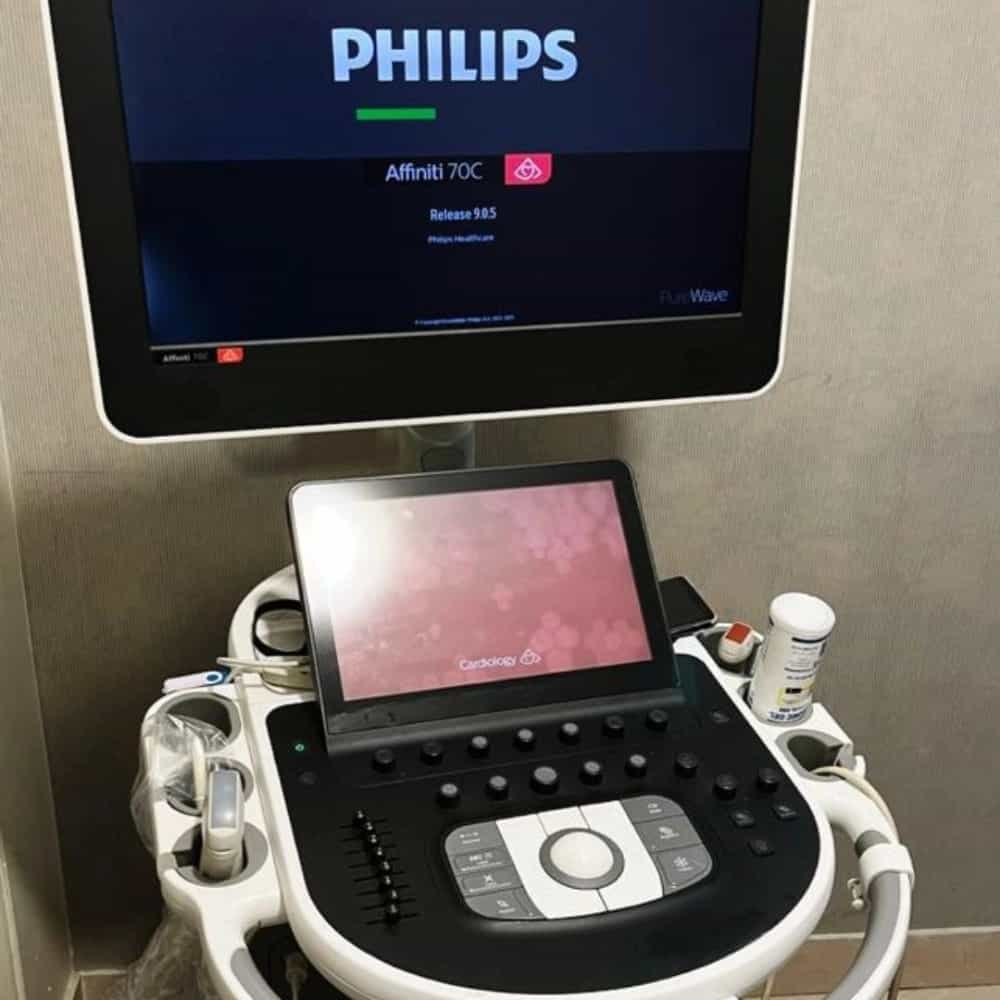
Ultrasound machine maintenance tips
Introduction
Ultrasound devices are vital tools in modern medical diagnostics. Maintaining the optimal performance of this expensive equipment not only helps with diagnostic accuracy, but also reduces the heavy costs of sudden repairs and system downtime. This comprehensive article provides key preventive maintenance (PM) tips as well as recommendations for everyday use of ultrasound devices to maximize their useful life. Compliance with these principles will guarantee the provision of quality services by medical centers. In this direction, Arad Health Parsian Health Company, as one of the suppliers and providers of specialized services in the field of medical equipment, always emphasizes the importance of proper maintenance and can be a reliable guide for medical centers. Regular maintenance has a direct impact on imaging quality and patient safety, and ensures that probes and sensitive electronic components remain in the best working conditions. Paying attention to these ultrasound device maintenance tips will prevent common technical problems.
Daily and environmental maintenance
Daily maintenance is the cornerstone of any successful maintenance program. These simple, but continuous measures prevent premature wear of parts and reduce the need for emergency repairs.
Cleaning and disinfection of probes
Ultrasound probes have the greatest potential for contamination due to direct contact with the patient's skin and conductive gels. Importance of immediate disinfection after each patient: After each examination, the probe must be cleaned immediately. Remaining gel or body secretions on the surface of the probe can cause serious damage to the protective coating (acoustic lens).
Using solutions recommended by the manufacturer: Never use strong solvents such as acetone, high concentration alcohols (over 70% unless approved by the manufacturer) or abrasives. These materials can damage the piezoelectric crystals inside the probe and disturb its acoustic properties. Usually, solutions based on isopropyl alcohol (IPA) or solutions for washing medical equipment are recommended.
Correct drying and storage method: The probe should be completely dried and then stored in its special place (usually in the device holder base or protective cover) to protect it from physical damage and moisture.
Managing cables and connections
Transducer (probe) cables are the most expensive replaceable parts in the ultrasound system and suffer the most physical damage.
Daily visual inspection: The operator is required to inspect the cables daily for any cracks, abrasions, or tears in the outer sheath. Cable damage can lead to electrical leakage and safety risks for the patient.
Avoid sharp bending: Cables should not be bent at acute angles (less than 90 degrees) or subjected to stress, especially at the connection to the probe connector and the body of the device.
Ensure that the connections are tight: Ensure that the probes are correctly and securely connected to the device ports to avoid poor connections that lead to signal interference or damage to sensitive device ports.
Operating environment of the device
Environmental factors have a significant effect on the performance of sensitive electronic components.
Room temperature and humidity control: Ultrasound devices usually work best in a temperature range of 18-25 degrees Celsius and 30-55% relative humidity. Extreme fluctuations in temperature or high humidity can lead to the condensation of water vapor inside the parts and reduce the life of the boards.
Avoid direct light and heat sources: Exposing the device to direct sunlight or near heat sources (such as heaters or improper ventilation systems) will increase the internal temperature and abnormal fan operation.
Proper ventilation and dust prevention: Air intake vents should not be blocked. Dust acts as thermal insulation and disrupts the performance of internal fans and radiators. This is one of the maintenance points of the ultrasound machine that is often ignored.
Periodic preventive maintenance (PM)
Preventive maintenance (PM) consists of specialized inspections that must be performed at specified intervals (eg, 6 months or annually) by trained technicians.
Software checks and calibrations
Correct operation of the device depends on up-to-date software and accurate calibration.
Regular software updates: Manufacturers constantly release new versions of the device's operating system to improve performance, fix bugs, and add new features. These updates should only be done by authorized experts.
Periodic imaging calibration check: Parameters such as gain settings (Gain), time gain compensation (TCG) and dynamic range (Dynamic Range) should be checked annually. The deviation in these parameters directly affects the accuracy of the measurements.
The role of Arad Salamat Parsian Health in calibration: Arad Salamat Parsian Health provides standard and accurate calibration services in accordance with international requirements to ensure the accuracy of ultrasound devices using advanced testing tools.
Probe functional tests
The health of the probe has a direct effect on the quality of the images. Testing probes includes checking critical parameters.
Check image quality, resolution and SNR: Specialized tests should be performed to ensure that the image resolution (Resolution) at different depths and the signal-to-noise ratio (SNR) remain at acceptable levels. These tests are usually performed using special phantoms.
Electrical Leakage Probe Test: This test is vital and ensures patient safety from unwanted electric shocks. Any current leakage should be investigated and fixed immediately.
Acoustic Lens Inspection: The coating on the probes should be inspected for any cracks, corrosion or chemical damage. Damage to the lens causes ultrasonic waves to scatter and weaken the received signal.
Checking the cooling system and filters
Heat is the main enemy of electronic equipment and can seriously damage sensitive parts such as the transmitter/receiver (transceiver).
Regular cleaning of valves and filters: At periodic services, dust filters should be removed, cleaned and reinstalled. If the fans are covered with dust, their efficiency will be greatly reduced. Failure of cooling fans is the main cause of overheating and reducing the life of internal parts.
The importance of following this point: Following this point in the maintenance and maintenance of the ultrasound machine is vital to avoid emergency shutdowns that often occur during sensitive procedures.
Battery backup system (UPS)
Many portable devices and even some desktop models have an internal battery.
Regular Battery Performance Test: Built-in batteries are designed to maintain settings and prevent data loss in the event of a momentary power outage. Periodic tests should ensure that the batteries have the required maintenance capacity.
Replacing batteries: Batteries have a certain useful life (usually 1 to 3 years). Replacing them before reaching the point of complete failure will prevent damage to the motherboard due to irregular charging/discharging.
Advanced management and safety
In addition to physical maintenance, data management and disaster prevention play an important role in ensuring service continuity.
Data management and backup
The loss of patient data can have serious legal and clinical consequences.
Regular backup of images (DICOM): Setting up an automatic backup program is required to regularly transfer DICOM images from the device's internal memory to network servers or external storage devices.
Secure archiving and compliance with standards: Ensuring that data archiving methods comply with local and international privacy standards.
Control of possible disasters
Preventive measures against environmental physical accidents are necessary.
Strategic placement: The device should not be placed near sinks, rooms with high humidity, or in the path of heavy equipment where there is a risk of physical impact.
Using surge protectors: Power fluctuations can damage the power supply (PSU) and digital boards. It is necessary to use high quality surge protectors to connect the device.
The importance of documentation and reporting
The record book of the device must be kept up to date.
Record all operations: Any cleaning, PM service, part replacement, or software update should be recorded in the maintenance logbook with the date, servicer name, and operation details. This documentation facilitates the detection of future problems and the tracking of warranty records.
When should you contact a specialist?
Timely identification of signs of failure is an important part of ultrasound device maintenance tips. Operators should be alert to unusual changes.
If you see things like a sharp drop in image quality for no apparent reason (even after resetting the parameters), frequent software errors that force the device to restart, or hearing abnormal noise (such as wear or excessive fan noise) from the internal system, you should immediately turn off the device and unplug it and contact the specialized service center. Arad Health Parsian Health Company with an experienced team is ready to provide advanced repair and maintenance services for all kinds of ultrasound brands and can quickly assess the situation.
conclusion
Proactive maintenance is an investment, not an extra expense. By strictly following daily, weekly, and monthly protocols, and performing specialized periodic services, costly breakdowns can be avoided and clinical service levels can be improved. Continuity in the implementation of these points of maintenance and maintenance of the ultrasound machine guarantees the continuous and accurate operation of the machine. We recommend that you consult with trusted specialists, such as Arad Salamat Parsian Health's technical team, to ensure the complete health of your device for periodic services and purchase of original parts. Investing in maintenance directly affects the quality of patient care.
جهت سرویس دورهای دستگاه خود با ما تماس بگیرید.
نظرات و تجربیات شما
دیدگاه شما چیست؟
با ثبت امتیاز خود، به ما در تولید محتوای بهتر کمک کنید.